
Moving from One Country to Another
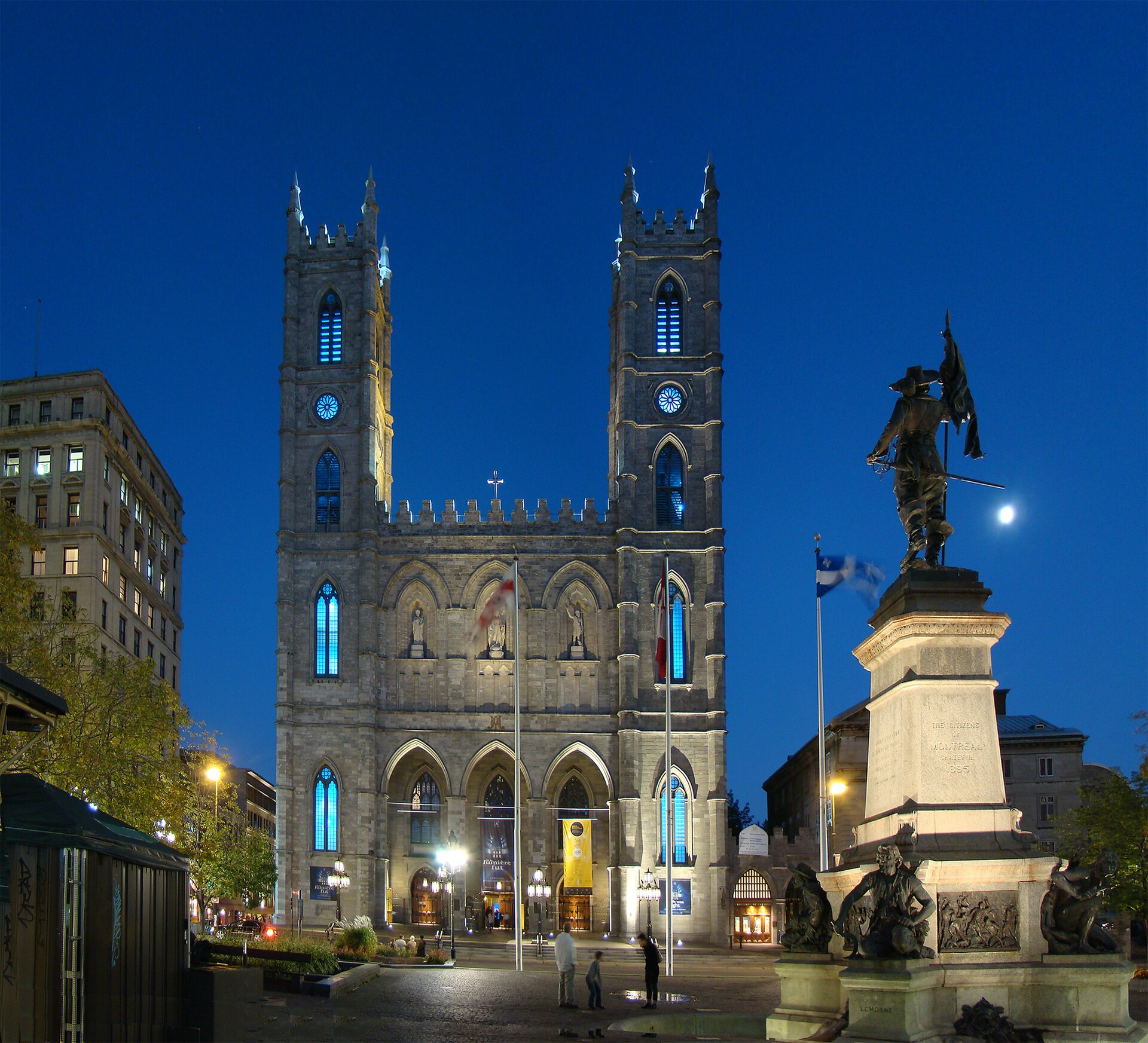
Nearly four decades ago, I accompanied my small family on our journey to Montreal, Canada, believing that we were leaving behind the backwardness of our homelands and settling in a country where no distinction would be made between one human being and another, except on the basis of one’s moral character, knowledge, and ability to coexist with the peoples who had arrived on these lands before us and who share with us the life we lead on this planet.
Yet the outcome fell short of our expectations. To our great surprise, we discovered that, as the saying goes, we had gone “from the frying pan into the fire”—moving from one difficult situation into an even worse one.
Our homelands suffer from being composed of communities belonging to different religions and religious denominations, some of whose members seem perpetually ready to turn against one another, either to reprimand those who do not share their beliefs or to attack those who seek to achieve a demand or objective that conflicts with their interests or convictions. The number of people who have lost their lives throughout history as a result of religious and sectarian conflicts is almost impossible to calculate. Many have gone so far astray that they have engaged in bloody battles, convinced that they are God’s representatives on Earth and that the Creator has entrusted them with the mission of disciplining those who refuse to submit and taking the lives of those who violate the teachings in which they believe.
What is particularly surprising is that, during the most recent elections held in our province, we witnessed a competition among political parties to promote objectives and positions that differed from one group to another. Some behave as though the right to govern this country belongs exclusively to the descendants of those whose ancestors came from their own people, while other communities that have contributed to building and settling this country are not granted the same standing—as if their presence and rights were worth less than those of others.
This brings us to the most important question: Can a nation be built on hatred planted among its own people?
Differences between peoples manifest themselves in several ways, including:
- Skin colour.
- Facial features and physical characteristics.
- The name a person bears.
- The language a person speaks.
- The accent with which that language is spoken.
- The religious beliefs to which a person adheres.
But are these differences sufficient to justify discrimination between human beings or to determine who deserves to belong to one country rather than another?
Ultimately, we find that the foundations upon which many societies have been built over the past decades remain largely unchanged, and that the progress and advancement we had hoped for have not been achieved to the extent we desired. Instead of turning the page on a past filled with tragedies and suffering, we continue to allow it to govern our present and shape the contours of our future.
Thus, we find ourselves confronted with a painful paradox: we move from one country to another in search of a better life and a society that is more just and equitable, only to discover that while human beings can change the land on which they live, they cannot always free themselves from inherited ideas or from resentments passed down from one generation to the next.
Does true salvation lie in moving from one country to another, or in moving from one mindset to another—from a culture of hatred and exclusion to a culture of acceptance, respect, and coexistence?

