Moving from one Country to Another

Moving from One Country to Another

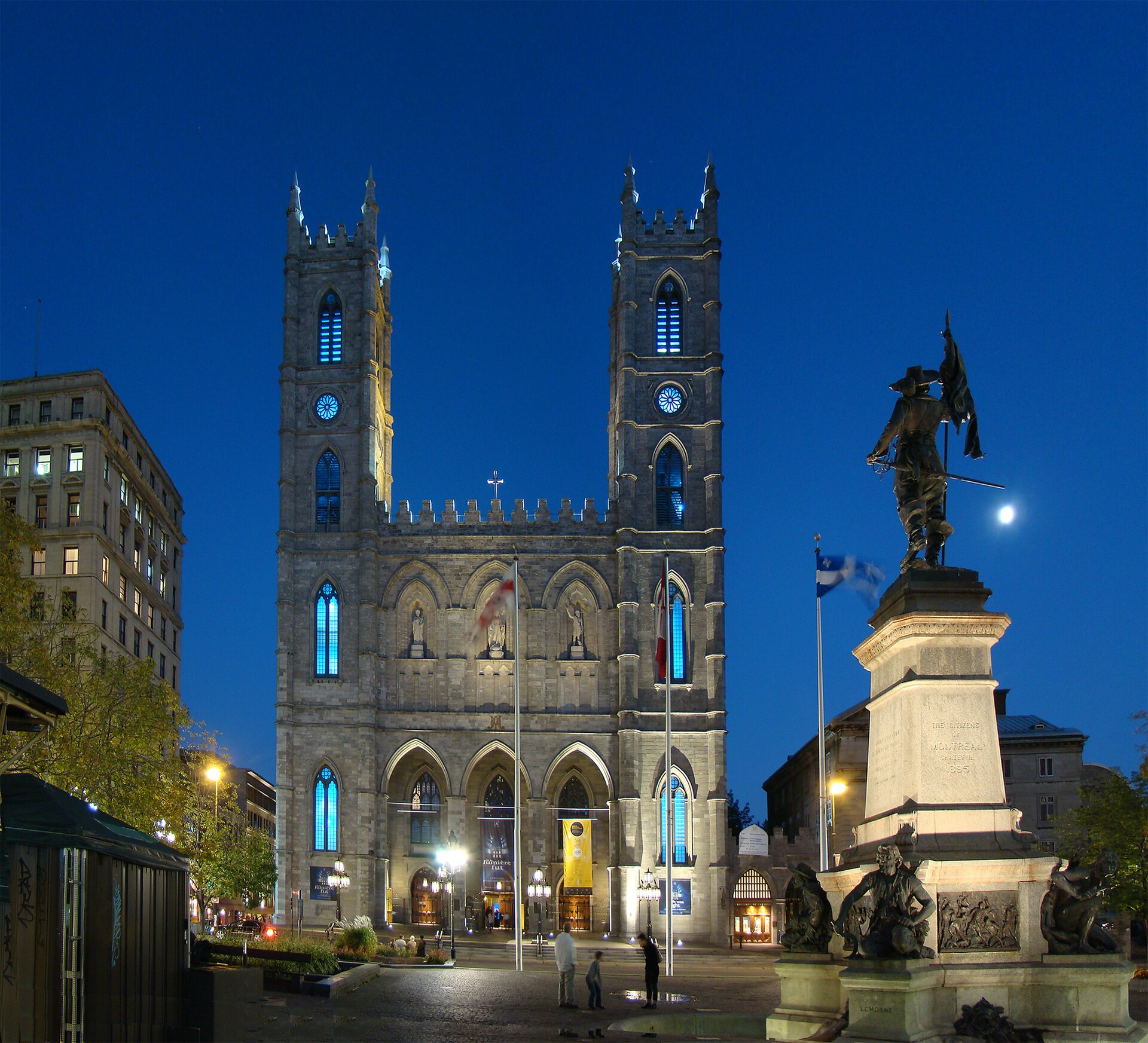
Nearly four decades ago, I accompanied my small family on our journey to Montreal, Canada, believing that we were leaving behind the backwardness of our homelands and settling in a country where no distinction would be made between one human being and another, except on the basis of one’s moral character, knowledge, and ability to coexist with the peoples who had arrived on these lands before us and who share with us the life we lead on this planet.

Yet the outcome fell short of our expectations. To our great surprise, we discovered that, as the saying goes, we had gone “from the frying pan into the fire”—moving from one difficult situation into an even worse one.

Our homelands suffer from being composed of communities belonging to different religions and religious denominations, some of whose members seem perpetually ready to turn against one another, either to reprimand those who do not share their beliefs or to attack those who seek to achieve a demand or objective that conflicts with their interests or convictions. The number of people who have lost their lives throughout history as a result of religious and sectarian conflicts is almost impossible to calculate. Many have gone so far astray that they have engaged in bloody battles, convinced that they are God’s representatives on Earth and that the Creator has entrusted them with the mission of disciplining those who refuse to submit and taking the lives of those who violate the teachings in which they believe.

What is particularly surprising is that, during the most recent elections held in our province, we witnessed a competition among political parties to promote objectives and positions that differed from one group to another. Some behave as though the right to govern this country belongs exclusively to the descendants of those whose ancestors came from their own people, while other communities that have contributed to building and settling this country are not granted the same standing—as if their presence and rights were worth less than those of others.

This brings us to the most important question: Can a nation be built on hatred planted among its own people?

Differences between peoples manifest themselves in several ways, including:

  • Skin colour.
  • Facial features and physical characteristics.
  • The name a person bears.
  • The language a person speaks.
  • The accent with which that language is spoken.
  • The religious beliefs to which a person adheres.

But are these differences sufficient to justify discrimination between human beings or to determine who deserves to belong to one country rather than another?

Ultimately, we find that the foundations upon which many societies have been built over the past decades remain largely unchanged, and that the progress and advancement we had hoped for have not been achieved to the extent we desired. Instead of turning the page on a past filled with tragedies and suffering, we continue to allow it to govern our present and shape the contours of our future.

Thus, we find ourselves confronted with a painful paradox: we move from one country to another in search of a better life and a society that is more just and equitable, only to discover that while human beings can change the land on which they live, they cannot always free themselves from inherited ideas or from resentments passed down from one generation to the next.

Does true salvation lie in moving from one country to another, or in moving from one mindset to another—from a culture of hatred and exclusion to a culture of acceptance, respect, and coexistence?


قياسي

Le passage d’un pays à un autre

Le passage d’un pays à un autre

Il y a près de quatre décennies, j’ai accompagné ma petite famille dans notre voyage vers Montréal, au Canada, convaincu que nous nous éloignions ainsi du retard de nos pays d’origine pour nous installer dans un pays où l’on ne ferait aucune distinction entre les êtres humains, si ce n’est en fonction de leurs qualités morales, de leurs connaissances et de leur capacité à cohabiter avec les peuples qui les avaient précédés sur ces terres et qui partagent avec eux la vie sur cette planète.

Pourtant, le résultat n’a pas été à la hauteur de nos attentes. Nous avons découvert, à notre grande surprise, que nous étions passés, comme le dit le proverbe, « de Charybde en Scylla », autrement dit, d’une situation difficile à une situation pire encore.

Nos pays d’origine souffrent du fait qu’ils sont composés de communautés appartenant à différentes religions et confessions, dont certains membres semblent toujours prêts à s’en prendre les uns aux autres, soit pour réprimander ceux qui ne partagent pas leurs croyances, soit pour s’attaquer à ceux qui cherchent à faire aboutir des revendications incompatibles avec leurs intérêts ou leurs convictions. Quant au nombre de personnes qui, au cours de l’histoire, ont perdu la vie à cause de conflits religieux et confessionnels, il est presque impossible de le recenser. Beaucoup sont allés jusqu’à se livrer à des combats meurtriers, persuadés d’être les représentants de Dieu sur Terre, convaincus que le Créateur leur avait confié la mission de corriger ceux qui ne se soumettent pas et d’ôter la vie à ceux qui transgressent les enseignements auxquels ils adhèrent.

Ce qui est étonnant, c’est que, lors des dernières élections qui se sont déroulées dans notre province, nous avons assisté à une surenchère entre les partis politiques autour de programmes et de positions qui varient d’un groupe à l’autre. Certains agissent comme si le droit de gouverner ce pays revenait exclusivement aux descendants de ceux qui y étaient établis avant eux, tandis que les autres peuples qui ont contribué à bâtir ce pays et à s’y installer ne méritaient pas la même considération, comme si leur présence et leurs droits avaient moins de valeur que ceux des autres.

C’est ici que se pose la question essentielle : peut-on bâtir une nation sur la haine semée entre ses citoyens ?

Les différences entre les peuples se manifestent de plusieurs façons, parmi lesquelles je citerai :

  • La couleur de la peau ;
  • Les traits du visage et la constitution physique ;
  • Le nom que porte une personne ;
  • La langue qu’elle parle ;
  • Son accent ;
  • Les croyances religieuses auxquelles elle adhère.

Mais ces différences suffisent-elles à justifier la discrimination entre les êtres humains ou à déterminer qui mérite d’appartenir à un pays plutôt qu’un autre ?

En définitive, nous constatons que les fondements sur lesquels de nombreuses sociétés se sont construites au cours des dernières décennies demeurent inchangés et que les progrès et l’élévation morale que nous espérions n’ont pas été réalisés dans la mesure souhaitée. Au lieu de tourner la page sur un passé marqué par les tragédies et les souffrances, nous continuons à lui permettre de dicter notre présent et de dessiner les contours de notre avenir.

Nous nous retrouvons ainsi face à un paradoxe douloureux : nous quittons un pays pour un autre à la recherche d’une vie meilleure et d’une société plus juste et plus équitable, pour découvrir que l’être humain peut changer de terre, mais qu’il ne parvient pas toujours à se libérer des idées héritées ni des rancœurs transmises de génération en génération.

Le véritable salut résiderait-il donc dans le passage d’un pays à un autre, ou plutôt dans le passage d’une mentalité à une autre, d’une culture de la haine et de l’exclusion à une culture de l’acceptation, du respect et de la coexistence ?

قياسي

الانتقال من بلد إلى آخر

منذ قرابة أربعة عقود، رافقتُ عائلتي الصغيرة في رحلة انتقالنا إلى مونتريال، في كندا، ظنًّا منّا أنّنا ابتعدنا عن تخلّف أوطاننا، وأصبحنا في بلادٍ لا تميّز بين إنسانٍ وآخر إلّا بمقدار ما يتفوّق فيه الإنسان على غيره بأخلاقه وعلمه وقدرته على التعايش مع الشعوب التي سبقته إلى هذه الأراضي، والتي تتقاسم معه العيش على هذه المعمورة.

إلّا أنّ النتيجة لم تكن على المستوى الذي كنّا نتوخّاه، وفوجئنا بأنّنا انتقلنا، كما يقول المثل، «من تحت الدلف إلى تحت المزراب».

فبلادنا تعاني من كونها مزيجًا من أتباع ديانات ومذاهب مختلفة، يبدو بعضهم مستعدًّا على الدوام للانقضاض على بعضهم البعض، إمّا لتأنيب مَن يخالفهم المعتقد الذي يؤمنون به، وإمّا للنيل ممّن يسعى إلى تحقيق مطلبٍ لا يتوافق مع مصالحهم أو قناعاتهم. أمّا أعداد الذين قضوا نحبهم عبر التاريخ نتيجة الخلافات الدينية والمذهبية، فيكاد يصعب إحصاؤها. وقد تمادى كثيرون في غيّهم، وخاضوا معارك قُتل فيها مَن قُتل، ظنًّا منهم أنّهم خلفاء الله على الأرض، وأنّ الخالق أوكل إليهم مهمّة تأديب مَن لا يرتدع، وإزهاق أرواح مَن يخالف التعاليم التي يؤمنون بها.

والغريب في الأمر أنّنا، خلال الانتخابات الأخيرة التي شهدتها المقاطعة، لمسنا تسابقًا بين الأحزاب حول أهدافٍ ومواقف تختلف من فئةٍ إلى أخرى. فبعضها يتصرّف وكأنّ أحقّية الحكم في البلاد تعود إلى الشعب الذي انحدر منه أجداده، فيما لا يُمنح سائر الشعوب التي شاركت في بناء هذه البلاد والاستيطان فيها المكانة ذاتها، وكأنّ وجودها وحقوقها أقلّ قيمةً من وجود الآخرين وحقوقهم.

وهنا يبرز السؤال الأهمّ: هل يمكن بناء وطنٍ على الكراهية المزروعة بين أبنائه؟

إنّ الاختلاف بين الشعوب يتجلّى في عدّة أمور، أذكر منها:

  • لون البشرة.
  • شكل الملامح والتكوين الجسدي.
  • الاسم الذي يحمله الإنسان.
  • اللغة التي يتكلّم بها.
  • اللّكنة التي ينطق بها.
  • المعتقد الديني الذي ينتمي إليه.

لكن، هل تكفي هذه الاختلافات لتبرير التمييز بين إنسانٍ وآخر، أو لتحديد مَن يستحقّ الانتماء إلى وطنٍ دون سواه؟

في نهاية المطاف، نجد أنّ الأسس التي قامت عليها مجتمعات كثيرة عبر العقود المنصرمة ما زالت تراوح مكانها، وأنّ ما كنّا نأمله من تقدّمٍ ورُقيّ لم يتحقّق بالقدر المنشود. فبدلًا من أن نطوي صفحات الماضي بما حملته من مآسٍ وويلات، ما زلنا نسمح له بأن يتحكّم في حاضرنا ويرسم ملامح مستقبلنا.

وهكذا، نجد أنفسنا أمام مفارقة مؤلمة: ننتقل من بلدٍ إلى آخر بحثًا عن حياةٍ أفضل، وعن مجتمعٍ أكثر عدلًا وإنصافًا، لنكتشف أنّ الإنسان قد يغيّر أرضه، لكنّه لا يستطيع دائمًا أن يتخلّص من أفكارٍ ورثها، أو من أحقادٍ تناقلتها الأجيال.

فهل يكون الخلاص الحقيقي في الانتقال من بلدٍ إلى آخر، أم في الانتقال من عقليةٍ إلى أخرى، ومن ثقافة الكراهية والإقصاء إلى ثقافة التقبّل والاحترام والتعايش؟

قياسي

أسئلة لم أجد أجوبة لها!

أسئلة لم أجد أجوبة لها!

قد يغضب بعضُ الذين سيقرؤون ما سيلي من مقالي، إلا أن آخرين قد يجدون بين سطوره كثيراً من الحقائق التي غابت عن أعيننا، مع أننا واكبنا تفاصيلها منذ ولادتنا.

فالإنسان هو الكائن الوحيد الذي خلقه الله على هذه البسيطة من دون أن يزوّده بلباسٍ يقيه تقلّبات الطقس الذي يعيش فيه، بخلاف ملايين الكائنات الأخرى التي ألبسها ربّ العالمين كساءً يلازمها طوال حياتها، ويحميها من تغيّر درجات الحرارة والرطوبة خلال فصول السنة في البيئات التي تعيش فيها.

ولذلك نجد أن الإنسان هو المخلوق الذي يتعيّن عليه أن يكسو نفسه بما يحتاج إليه اتقاءً لحرّ الصيف أو زمهرير الشتاء، واحتماءً من الثلوج أو من أشعة الشمس الحارقة، بحسب القارة أو البيئة التي اختارها موطناً له.

ومنذ الأزل، عاشت الشعوب ملتزمةً بطقوسٍ وعاداتٍ دينية، ظنّاً منها أن الله هو الذي شرعها وأوصى بالتمسّك بها، وتنفيذ تعاليمها بكل تفاصيلها. وكلُّ فريقٍ يعتقد أن ما اختصّه الله به هو الحقّ وحده، وأن ما سواه ليس إلا ادعاءاتٍ أو تكهّناتٍ لا تمتّ إلى الحقيقة بصلة.

ومن هنا لا يسعنا إلا أن نطرح بعض التساؤلات التي تُحيّر الفكر، وتجعلنا عاجزين عن الوصول إلى أجوبةٍ قاطعة:

  • كثيرون منّا يرون في تغطية شعر الرأس مظهراً من مظاهر احترام الخالق. فهل يوجد ما يثبت أن ذلك مطلوبٌ على هذا النحو؟
  • لماذا يُميَّز بين شعر رأس المرأة وشعر رأس الرجل، مع أن الشعر في حدّ ذاته لا يكفي بالنظر أو اللمس لتحديد جنس صاحبه؟
  • إذا كان يُطلب من المرأة تغطية شعرها احتراماً وتقديراً للخالق، فلماذا لا يُطلب من الرجل أن يفعل الأمر نفسه؟
  • إذا كان الله قد ترك للإنسان حرية اختيار شكل لباسه ولونه بما يوفّر له الحماية من تقلّبات المناخ، فهل يعني ذلك أنه ترك له أيضاً حرية تصميم ملبسه واختيار هيئته، أم أن هناك شكلاً محدداً أراده له؟
  • وإذا كان ربّ العالمين قد أبدع في خلق ملايين الكائنات، وأحاط كلّاً منها بما يلائم طبيعتها من وسائل العيش والحركة والتنفس والتغذية، وكان الإنسان في قمّة هذا الإبداع، فهل يجوز لنا، نحن بني آدم، أن ننظر إلى جسد الإنسان فنقول للخالق: لقد أبدعت في كل شيء، إلا تلك القطعة الصغيرة من الجسد التي ينبغي بترها ليصبح المخلوق ـ في نظرنا ـ أكمل؟

إن هذه التساؤلات لا تهدف إلى إصدار أحكام أو الطعن في معتقدات أحد، وإنما تدعو إلى التأمل في العلاقة بين ما هو إلهي وما هو موروث، وبين ما هو نصٌّ ثابت وما هو فهمٌ بشريٌّ قابل للنقاش.

قياسي

رسالة إعتذار

Screenshot

رسالة إعتذار

زوجتي الحبيبة…

ها إن السنين قد ولّت وقد انقضى منها أربعة عقودٍ ونصف مذ أن التزم كلّ منّا بالآخر! عزمنا يومَ زفافنا على أن نمضيَ معاً من العمرِ ما تسمح  لنا به الحياة، وأن يجمعنا فراش واحد كلّ ليلة، وفي كلّ صباح نرتشف فنجان قهوة نتسامر حوله، ونتقاسم لقمة العيش التي نقتاتُ بها. تمنّينا ان يزداد مع الزمن تعلّقُ كلّ منّا بالآخر، وأن ننشئ عائلة تحمل المُثُلَ والقيم والأخلاق التي تربينا عليها والتي صنعت منا ما نحن عليه اليوم!

أذكر ان يومَ زفافنا جاء عقب يوم عصيب، شنّت فيه إسرائيل غارات على أبنية تحيط ببيروت، فاستشهد العشرات من الأبرياء، فيما دمّرت الطائرات المغيرة خمسة جسور كانت تربط الجنوب اللبناني بالعاصمة!

لم يكن من السهل أن تنتقل العروس من بلدة عين علق في المتن الشمالي وهي في كامل زينتها، لتعبر من المنطقة الشرقية إلى المنطقة الغربية وصولاً إلى كنيسة الرميلة حيث أقيمت مراسم الزفاف! وكانت الورود والأزهار مقطوعة من الأسواق بسبب ما جرى في اليوم السابق، فاضطرّ المحتفون إلى إخفاء ما أحضروه من  منزل العروس، داخل صناديق سياراتهم خشية أن يثير منظرها مشاعرالذين كانوا يودّعون أحبّاءهم.

وصلت العروس إلى الكنيسة في الرميلة وأقيمت مراسم الزفاف بحضور الأهل والأصدقاء  ثمّ انتقل الجميع إلى منزل الوالدين في وادي الزينة حيث جرت  مراسم الاستقبال وتقبّل التهاني وأقيم كوكتيل إحتفالي قدّمت خلاله كؤوس الشمبانيا المبرّدة!

في نهاية المطاف توجّهتُ برفقة العروس في سيارة أخي صلاح باتجاه  بيروت حيث كانت قد حُجزت لنا غرفة في فندق السمرلاند!

وفي الطريق وعند مرورنا بمنطقة السعديات، وبينما كانت السيارة تجتاز حفرة عميقة خلّفها القصف، قطعت على نفسي عهداً بأن أبذل ما أستطيع طوال حياتي لأجعل من تلك الفتاة التي اقترنت بي أسعد إنسانة في الكون!

غير ان الإنسان يخطّط والحياة تمضي بما لا تشتهي السفن.

واليوم ، وبعد خمسة وأربعين عاماً من تلك اللحظة، أقف أمامك لأقول بكل صدق: لقد حاولت ما استطعت، وأصبت أحياناً وأخطأت كثيراً وإن كنت قد قصّرت في حقك، أو عجزت عن أن أحقق لك كل ما حلمت به ووعدت به نفسي يومَ زفافنا، فإني أتقدم منك باعتذار صادق من أعماق قلبي.

أعتذرعن كل لحظة خذلتك فيها، وعن كل كلمة كان يمكن أن تكون أرقّ. وكل موقف كان يمكن أن أكون فيه أكثر قرباً واحتواءً. وأشكرك لأنك كنت شريكة العمر، ورفيقة الطريق، وأمّاً لأبنتنا، وسنداً في أيام الفرح والشدة!

فإن كان لي من رجاء في هذه المرحلة من العمر، فهو ان تتقبلي اعتذاري كما تقبلت معي أفراح الحياة وأتراحها، وأن يبقى ما يجمعنا من مودة ورحمة أكبرمن كل تقصيروأبقى من كل عثرة.

لك مني كل المحبة والامتنان، والدعاء بأن يبارك الله ما تبقّى من أعمارنا، وأن يجعل  أيامنا المقبلة أكثر هدوءاً وسكينة، وان يديم علينا نعمة الصحبة التي بدأت ومنذ خمسة وأربعين عاماً، وما زالت أغلى ما أملك.

أطيب تمنياتي مجدداً 

بشير

١٨ تمّوز ٢٠٢٦

قياسي

عيد مبارك

نستذكرُ في هذه الذكرى كلَّ من رحلَ

وغادرَ دنيانا بقلبٍ نقيٍّ من ذهبِ

سيبقى ذِكره حاضرًا في نفوسِ عارفيه

إذ عاش بيننا عمرًا، وغادرَ تاركًا أثرًا لمحبيه

بعد أن كان حاضرًا في كلِّ زمنٍ

نسألُ اللهَ أن تكونَ روحُه فداءً عن كلِّ تعبٍ وألمِ

بانتظارِ عيدٍ أبرك

كلُّ عامٍ وأنتم بخير

بشير القزي

٢٧ أيار ٢٠٢٦

قياسي

عيد مبارك

نستذكرُ في هذه الذكرى كلَّ من رحلَ
وغادرَ دنيانا بقلبٍ نقيٍّ من ذهبِ
سيبقى ذِكره حاضرًا في نفوسِ عارفيه
إذ عاش بيننا عمرًا، وغادرَ تاركًا أثرًا لمحبيه
بعد أن كان حاضرًا في كلِّ زمنٍ
نسألُ اللهَ أن تكونَ روحُه فداءً عن كلِّ تعبٍ وألمِ

بانتظارِ عيدٍ أبرك
كلُّ عامٍ وأنتم بخير

بشير القزي

٢٧ أيار ٢٠٢٦

قياسي

Fête des mères


À travers nos âges, les années s’accumulent
Pour marquer le temps et les souvenirs qui s’additionnent
Certaines traversent des moments bien amers,
D’autres voient grandir une famille et ses mères.
Que le Bon Dieu bénisse ma petite fille adorée,
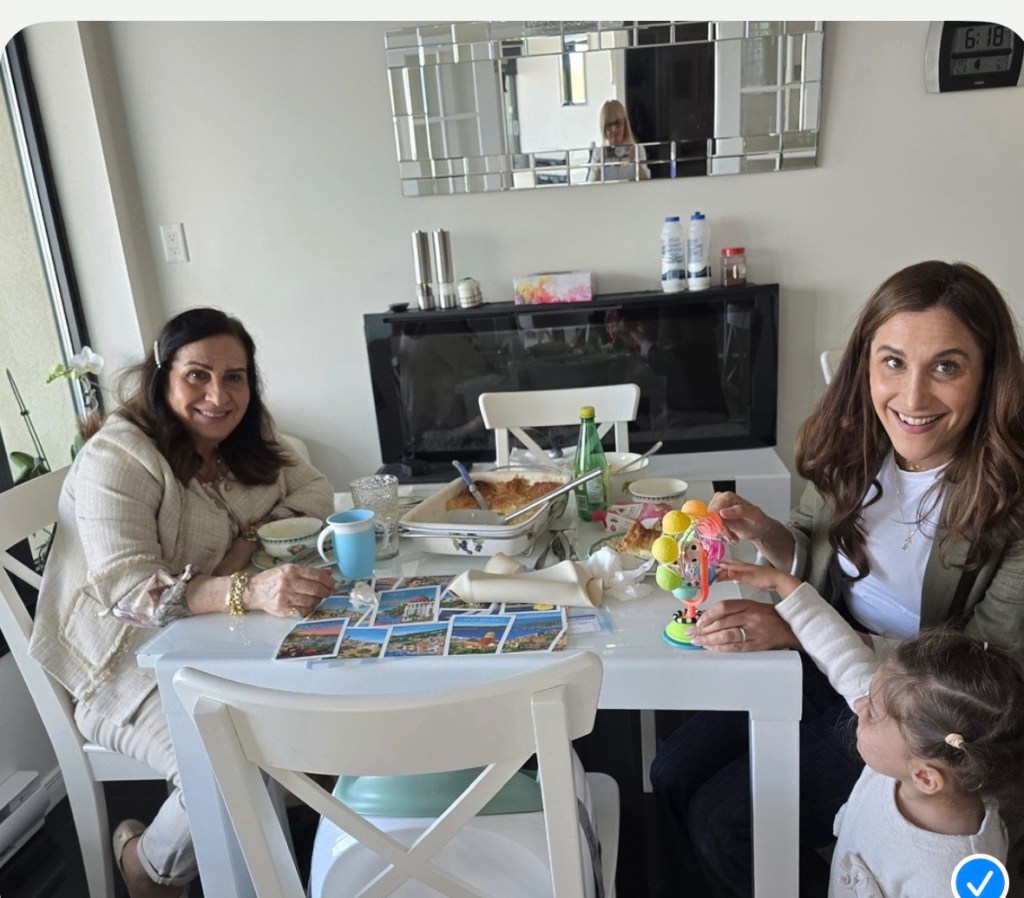
Entourée de sa mère et sa grand-mère réunies pour célébrer.

Happy Mother’s Day

Bachir

10 mai 2026

قياسي

Fête de Juliana de Deux ans

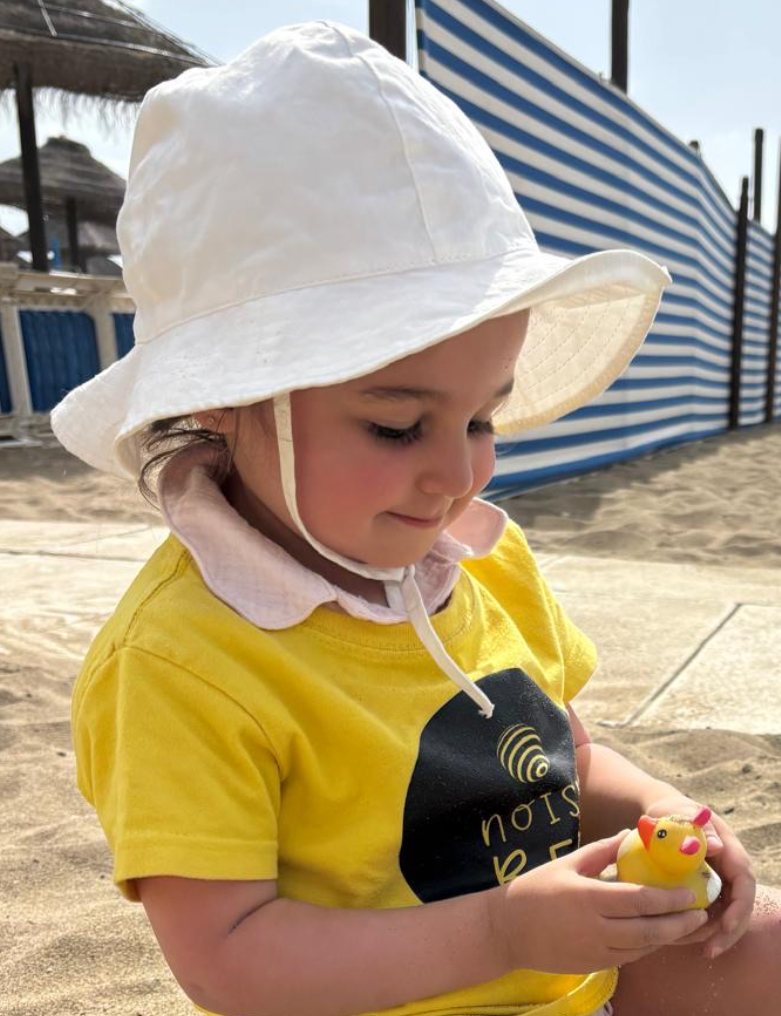
À notre petite fille Juliana

À notre très jeune petite fille, pour embellir sa fête,

Nos meilleurs vœux qui riment avec sa belle tête

Représentant l’amour qu’elle nous apporte

À chaque jour où elle sonne à notre porte

Deux ans se sont écoulés depuis sa naissance

Et notre amour pour elle grandit avec aisance

Micha & Bachir

3 mai 2026

قياسي

تمنياتنا بهذا العيد

بحلول هذا العيد المبارك…

نفتقد الذين غادرونا قبل ان يحين أوانهم، وقضوا نحبهم دفاعاً عن موطنهم، ونشارك أهلهم ووطنهم بالتحسّر عليهم،

ونتألّم مع الذين اصطادت أجسادهم شظايا المتفجّرات الغادرة، والذين سيعيشون ما تبقّى من عمرهم وهم يحملون آثار تلك الكوارث،

ونرأف مع الذين هجروا مساكنهم وقراهم وأراضيهم وباتوا يفترشون الأرض بعيداً عن الموقع الذي عرفوه وعاشوا فيه مكرّمين طوال صباهم،

ونشعر بالأسى مع الذين جابوا الأرض وهم يبحثون عن بلاد تأوي عيالهم وتُسكنهم مع أهاليهم، بعيداً عن المجازر،


نضرعُ إلى الخالق ألّا يعيدَ علينا وعليكم هذا العيد إلّا بوجه جديد يُبعد فيه الله الشرّ عنّا وعن عيالنا ويبارك الأيّام المقبلة لننسى الآلام تي واجهتنا خلال ما مضى من أيّام!

وكلّ عام وانتم بخير

بشير القزي

٢٠ آذار ٢٠٢٦

قياسي